2023 Archaeological Campaign
The first season established the archaeological potential of Bazhera and the methodological framework for long-term research.
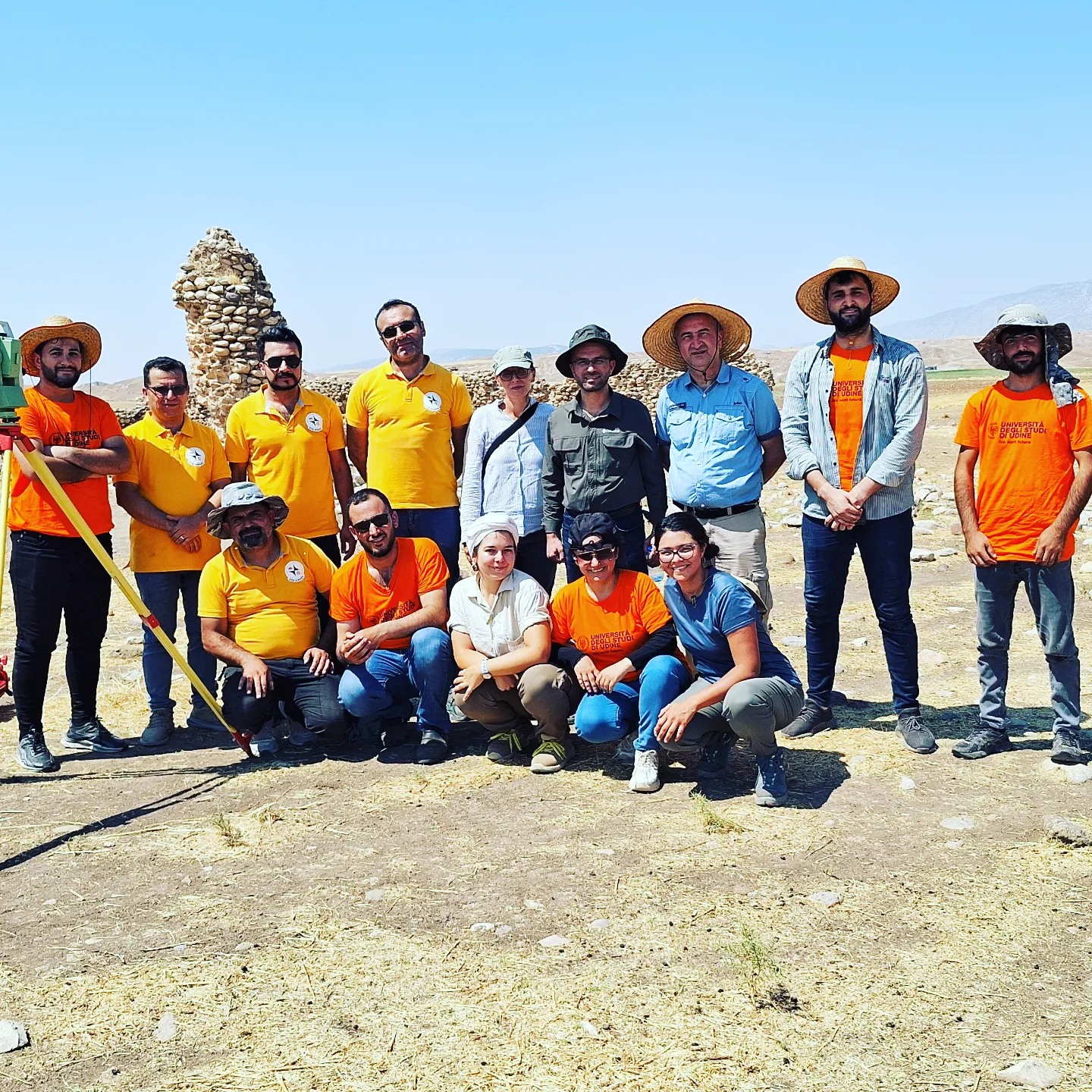
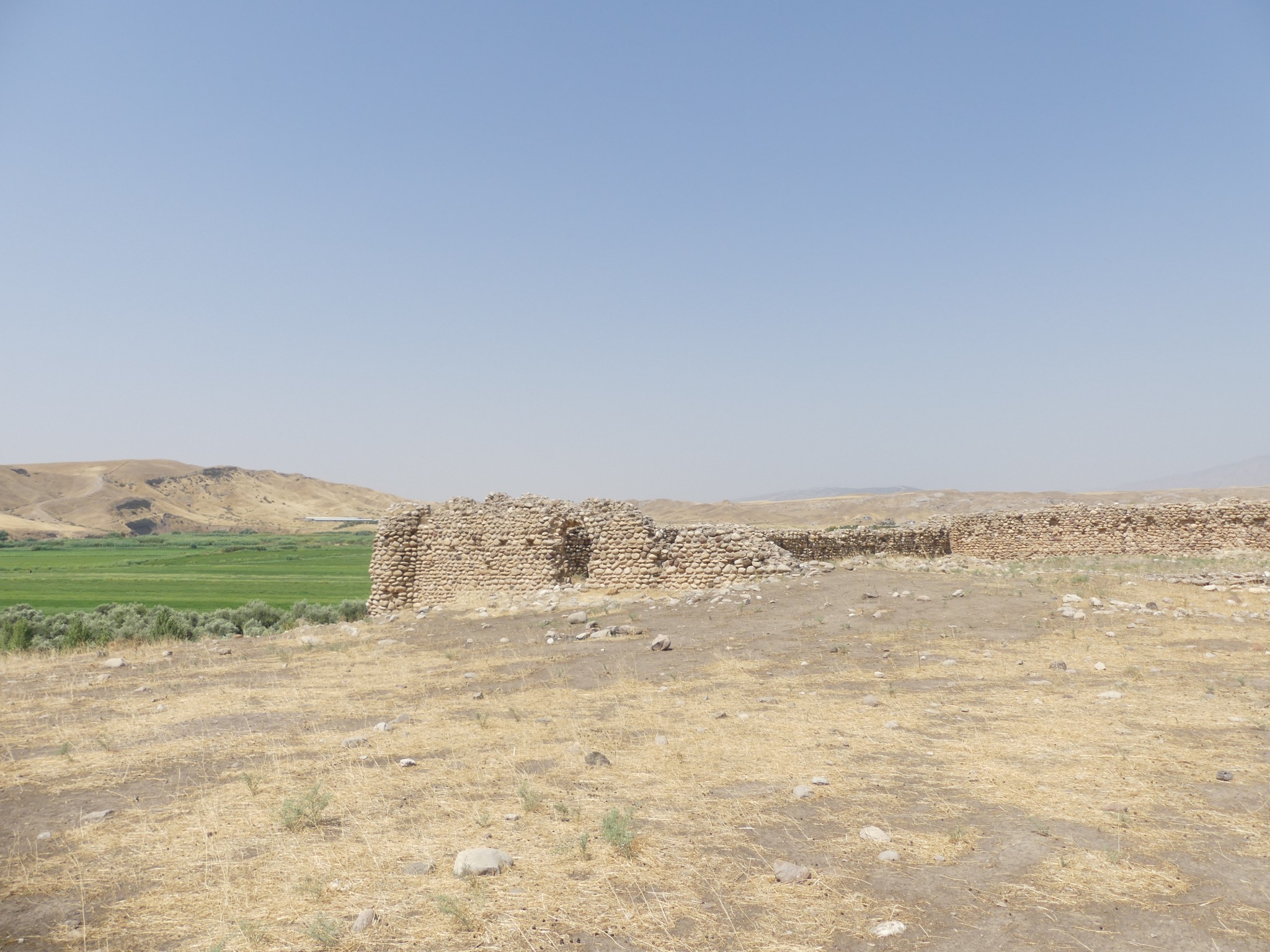
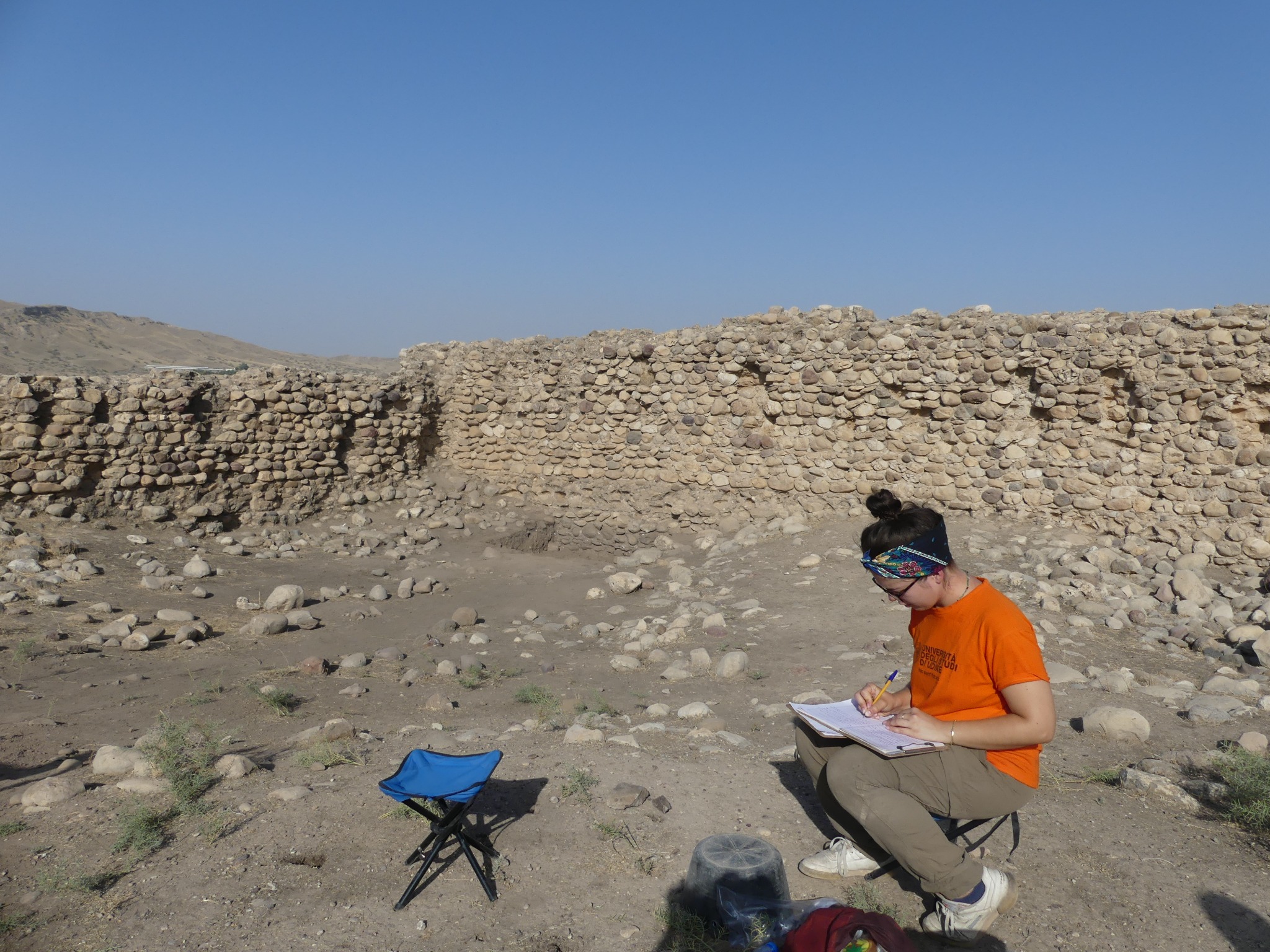
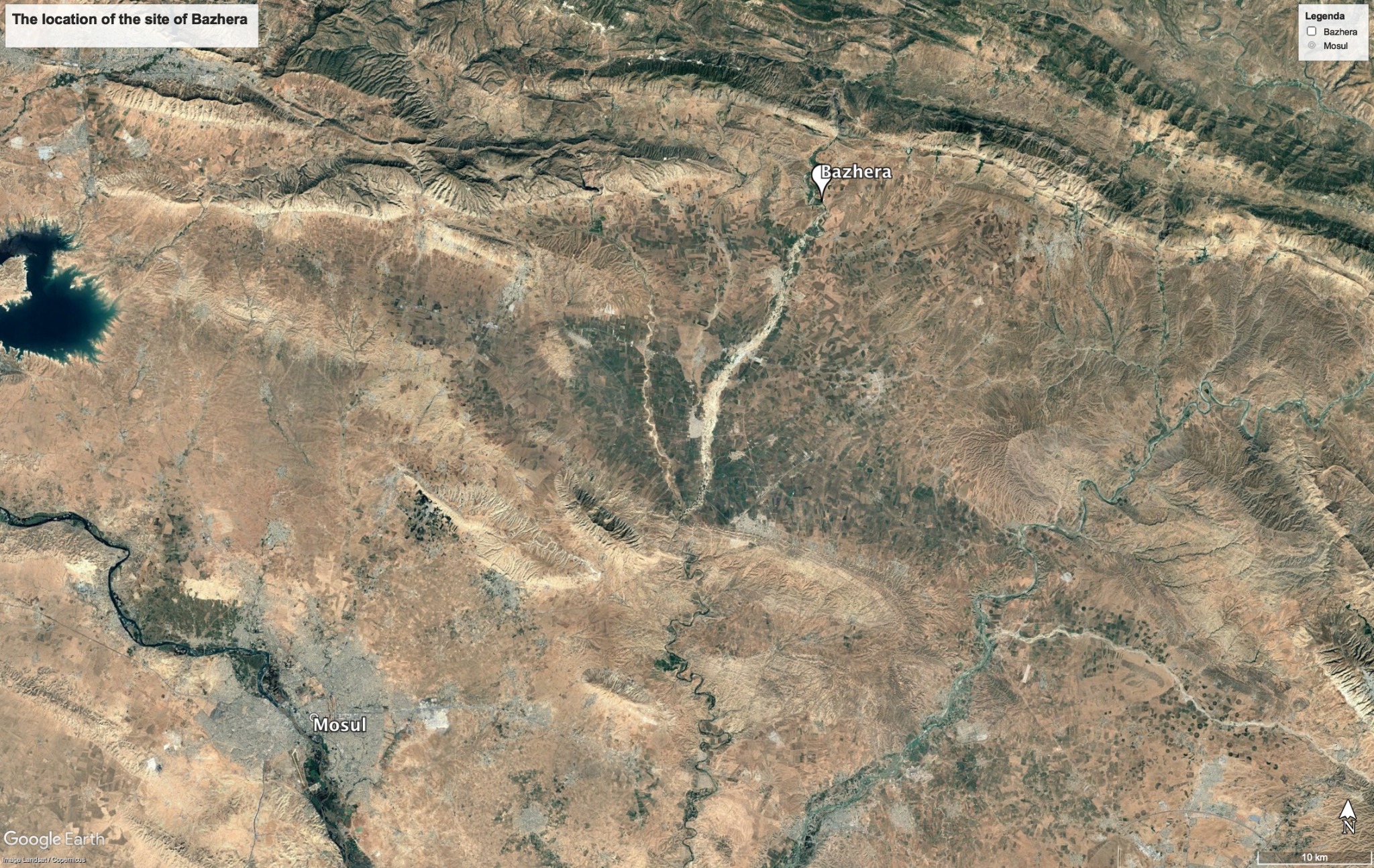
The first season of the Bazhera Archaeological Project (BAP) marked the beginning of a long-term Joint Italian–Kurdish research programme devoted to investigating the Ottoman-period caravanserai and its surrounding settlement. The campaign focused on establishing the archaeological potential of the site and creating the methodological framework for future investigations through the integration of intensive survey, excavation, architectural analysis, topographical documentation and the study of material culture.
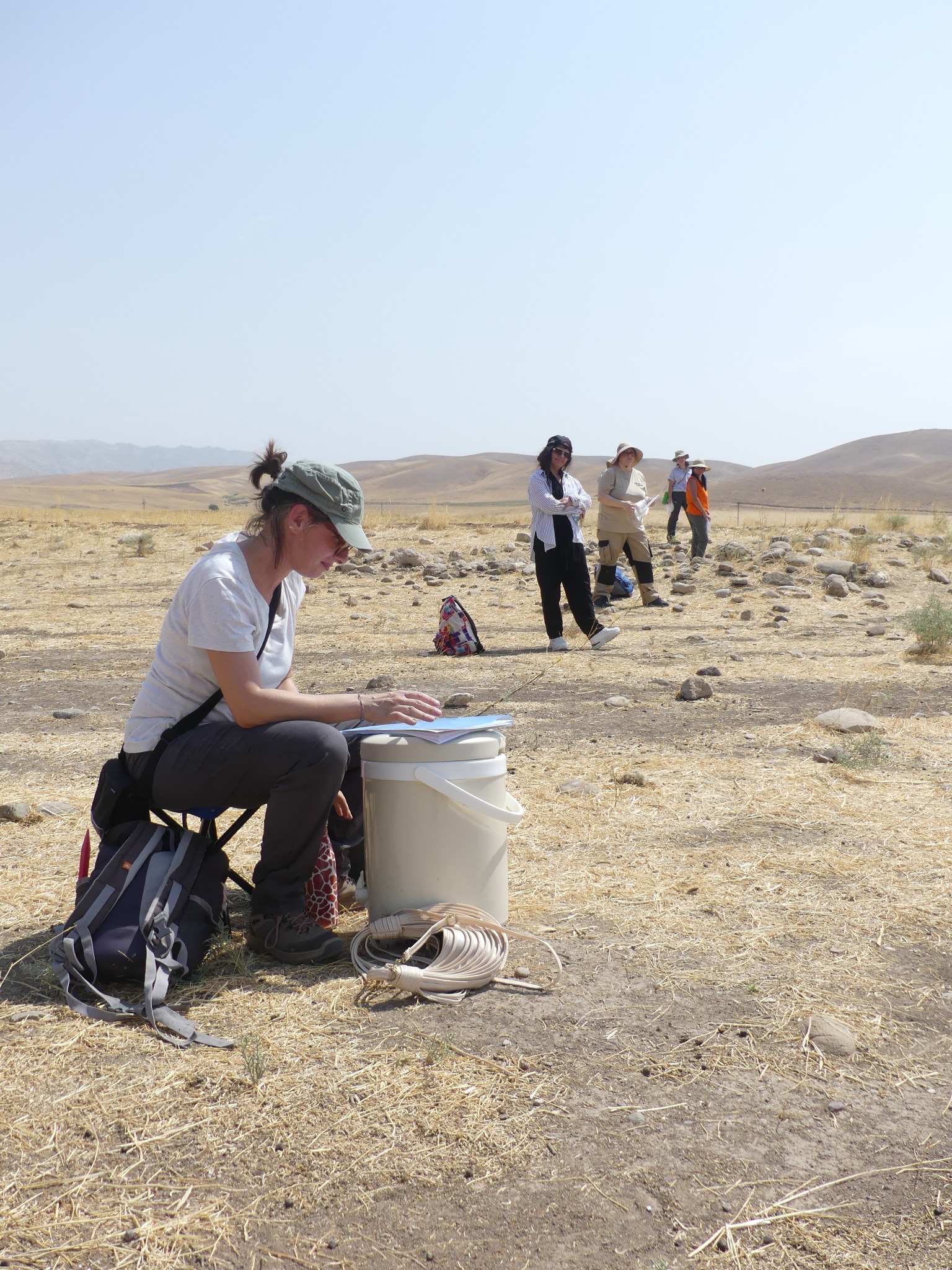
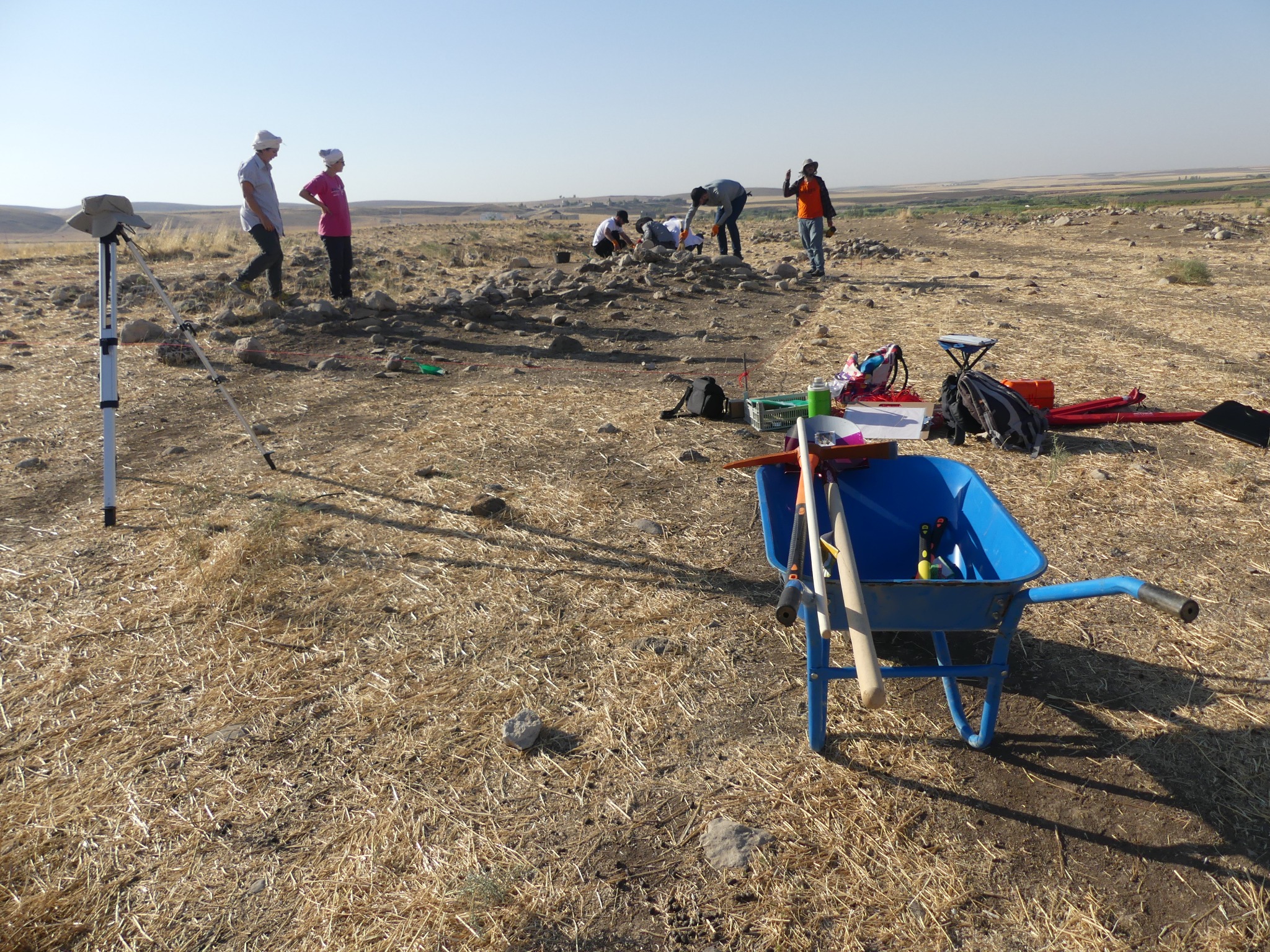
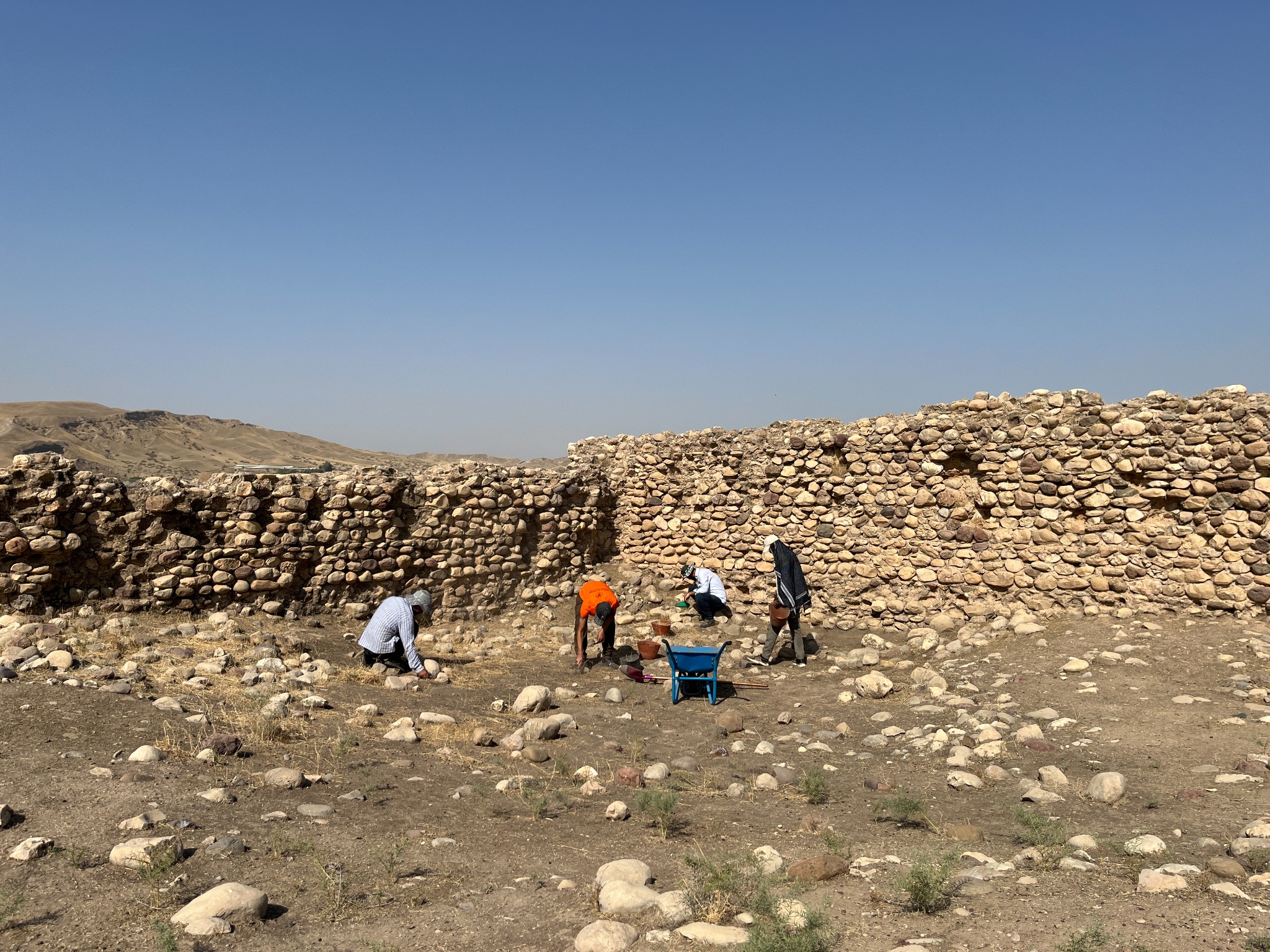
Fieldwork began with an intensive archaeological survey of the settlement, carried out through a systematic GIS-based grid. This activity allowed the identification of the spatial extent of the site, several archaeological features surrounding the khan and a cemetery area located north of the main building. At the same time, a detailed survey inside the caravanserai provided the first spatial distribution of ceramic materials and visible architectural features.
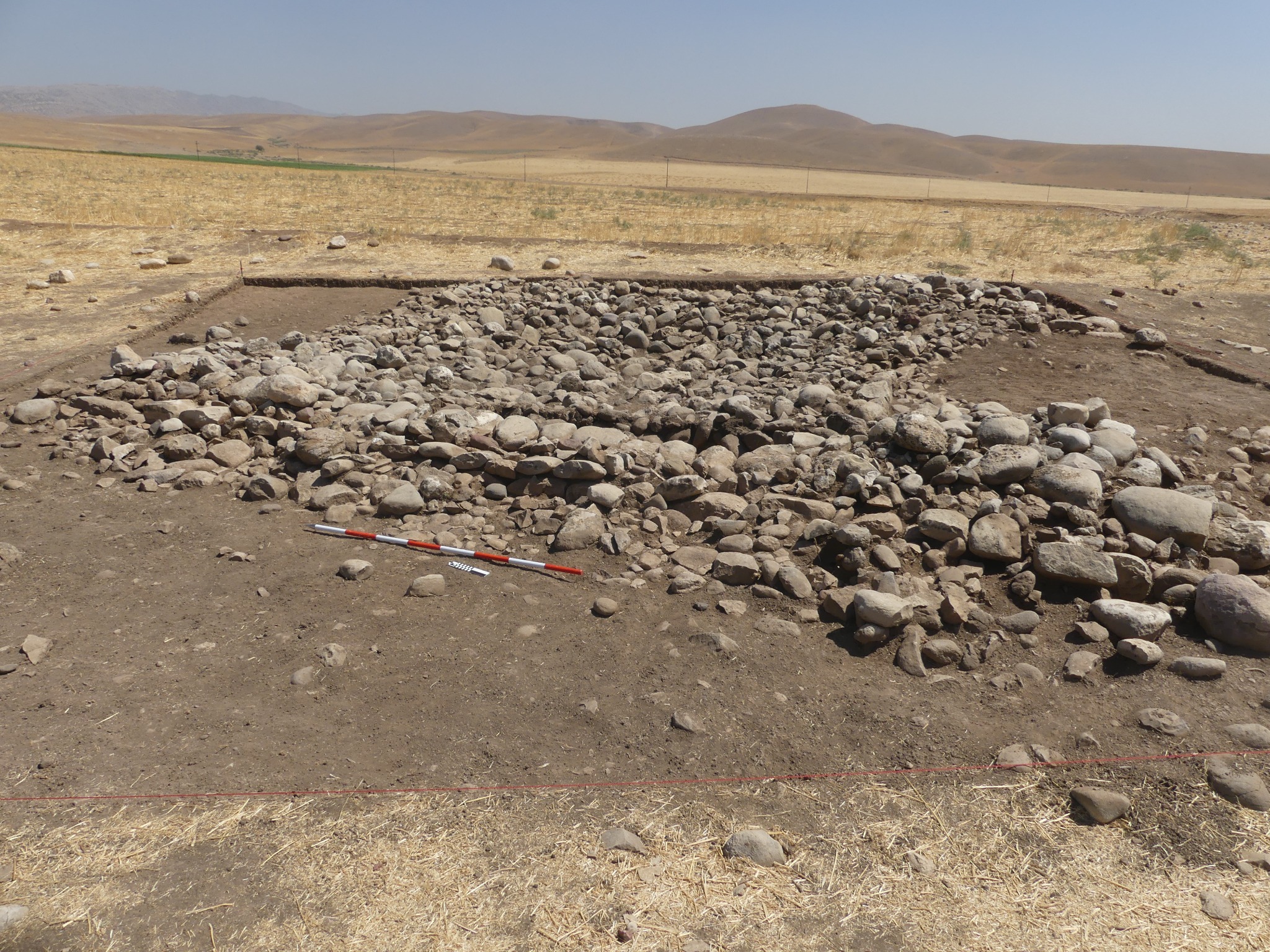
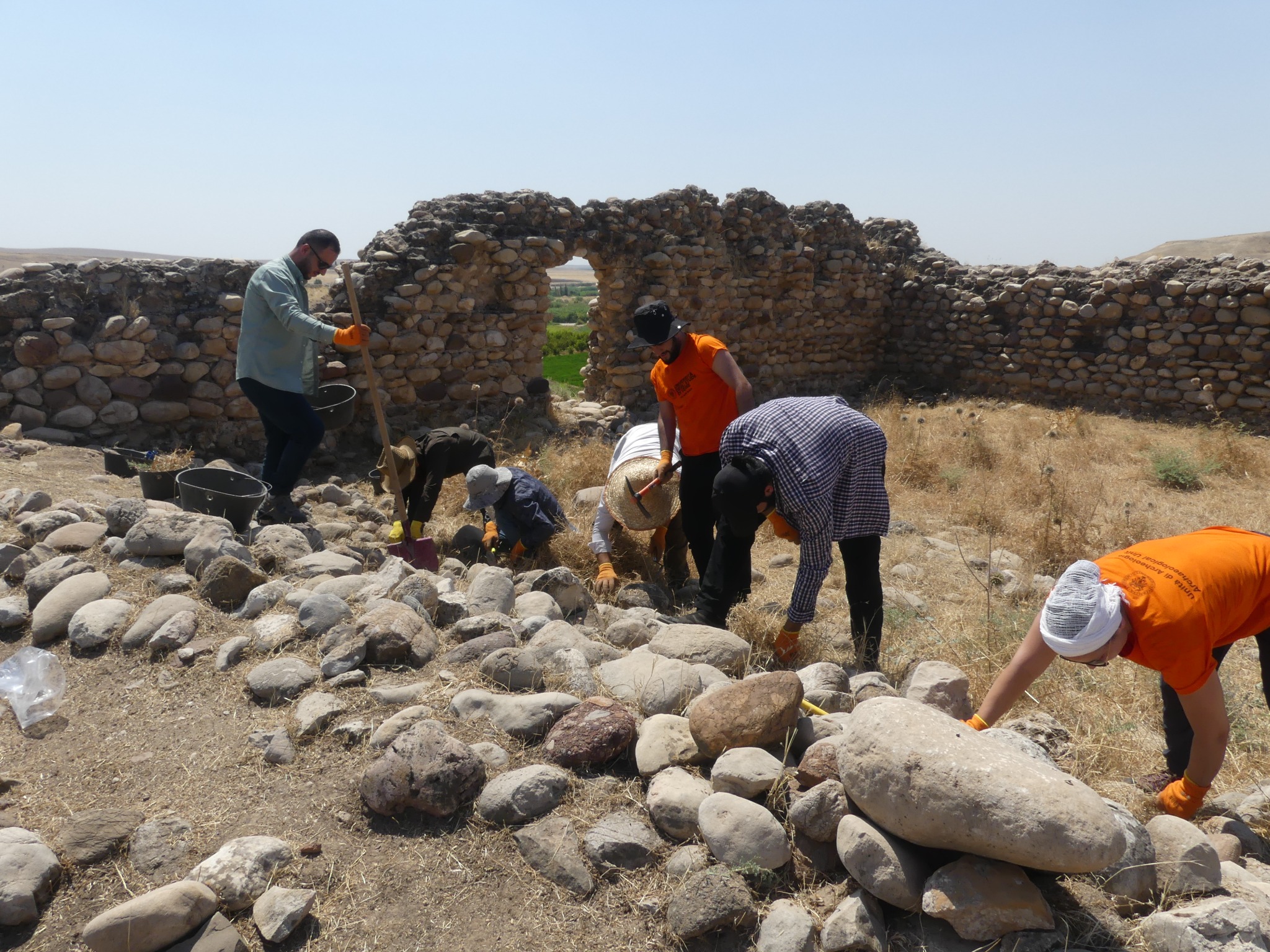
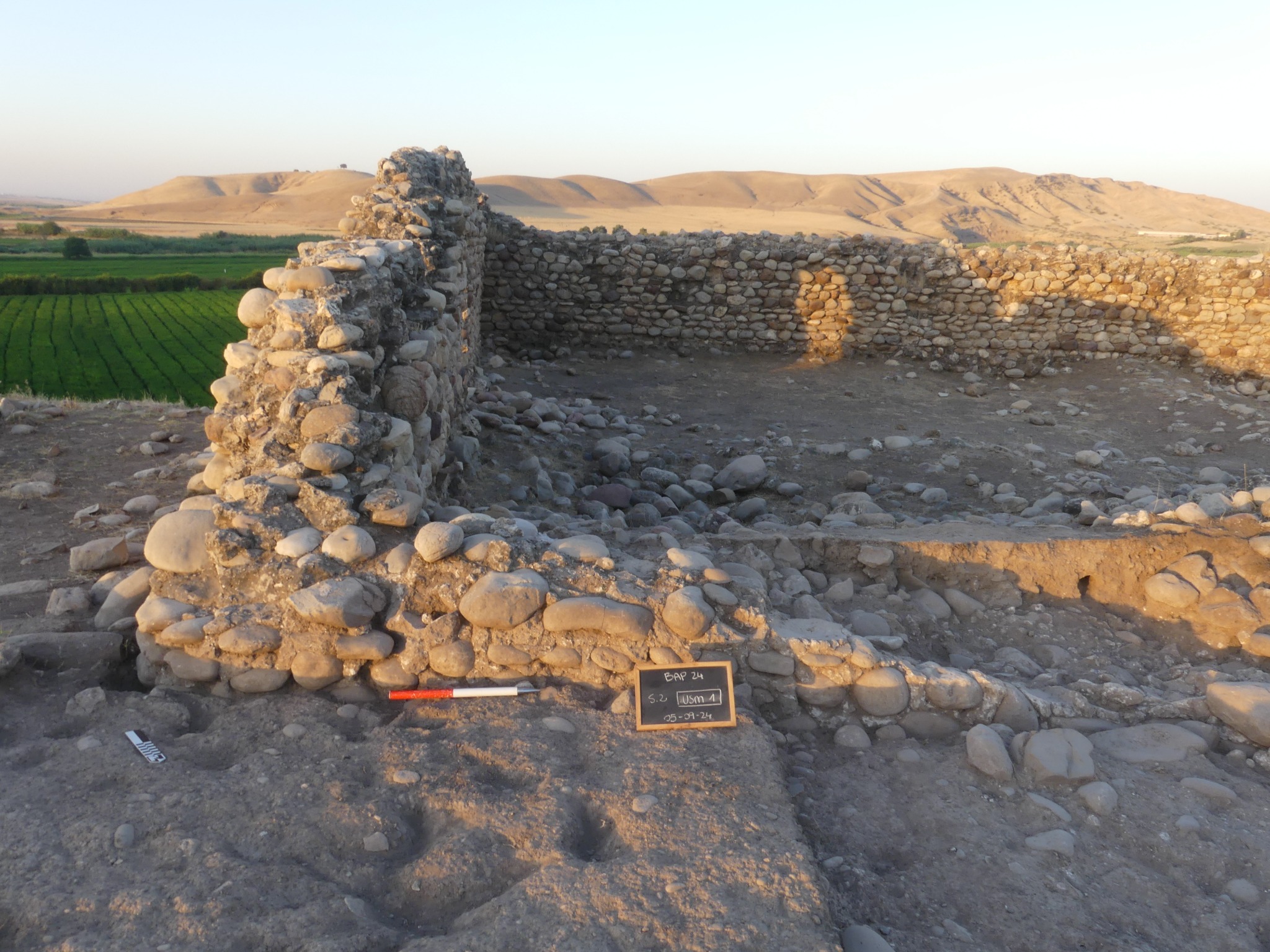
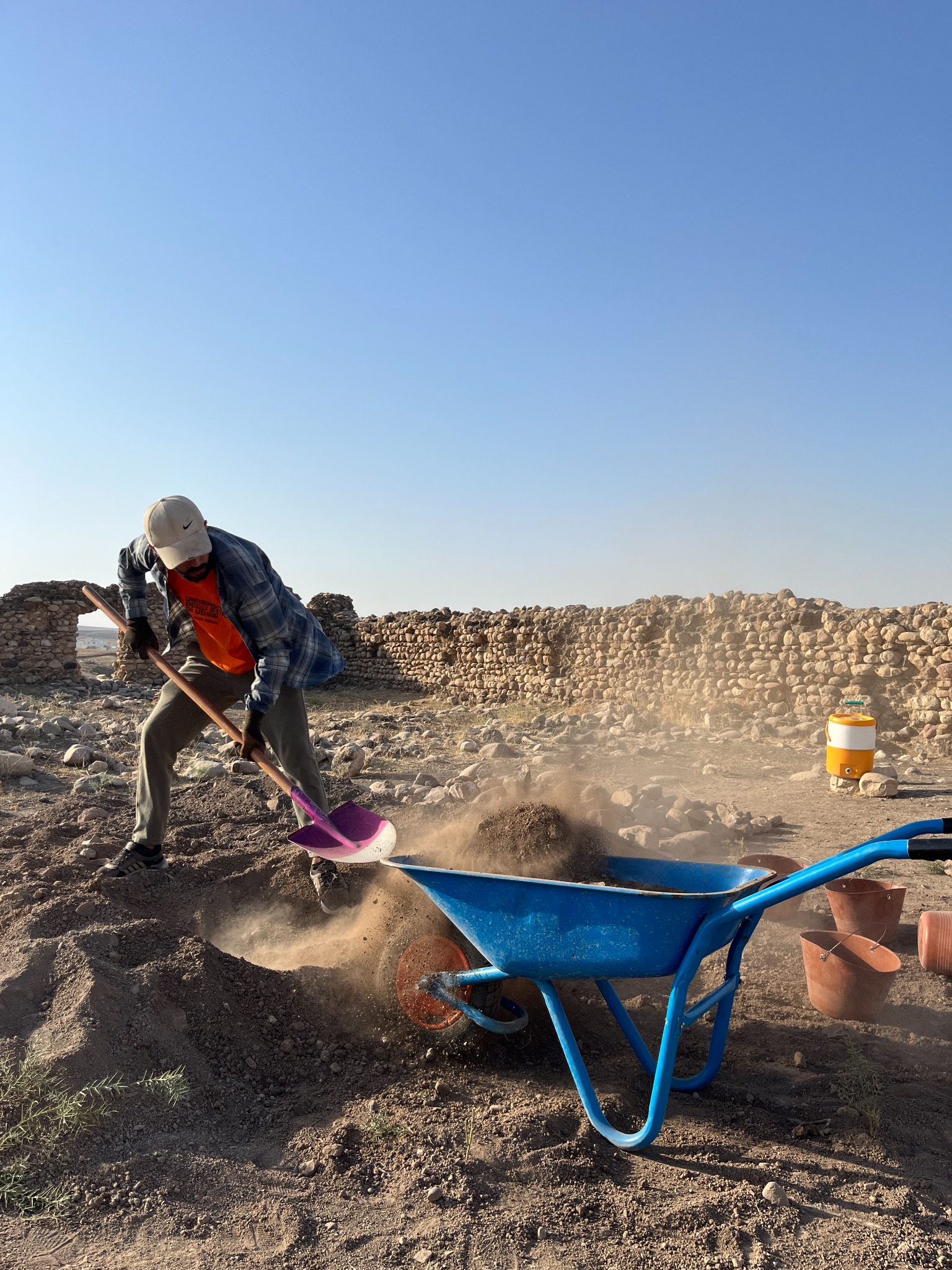
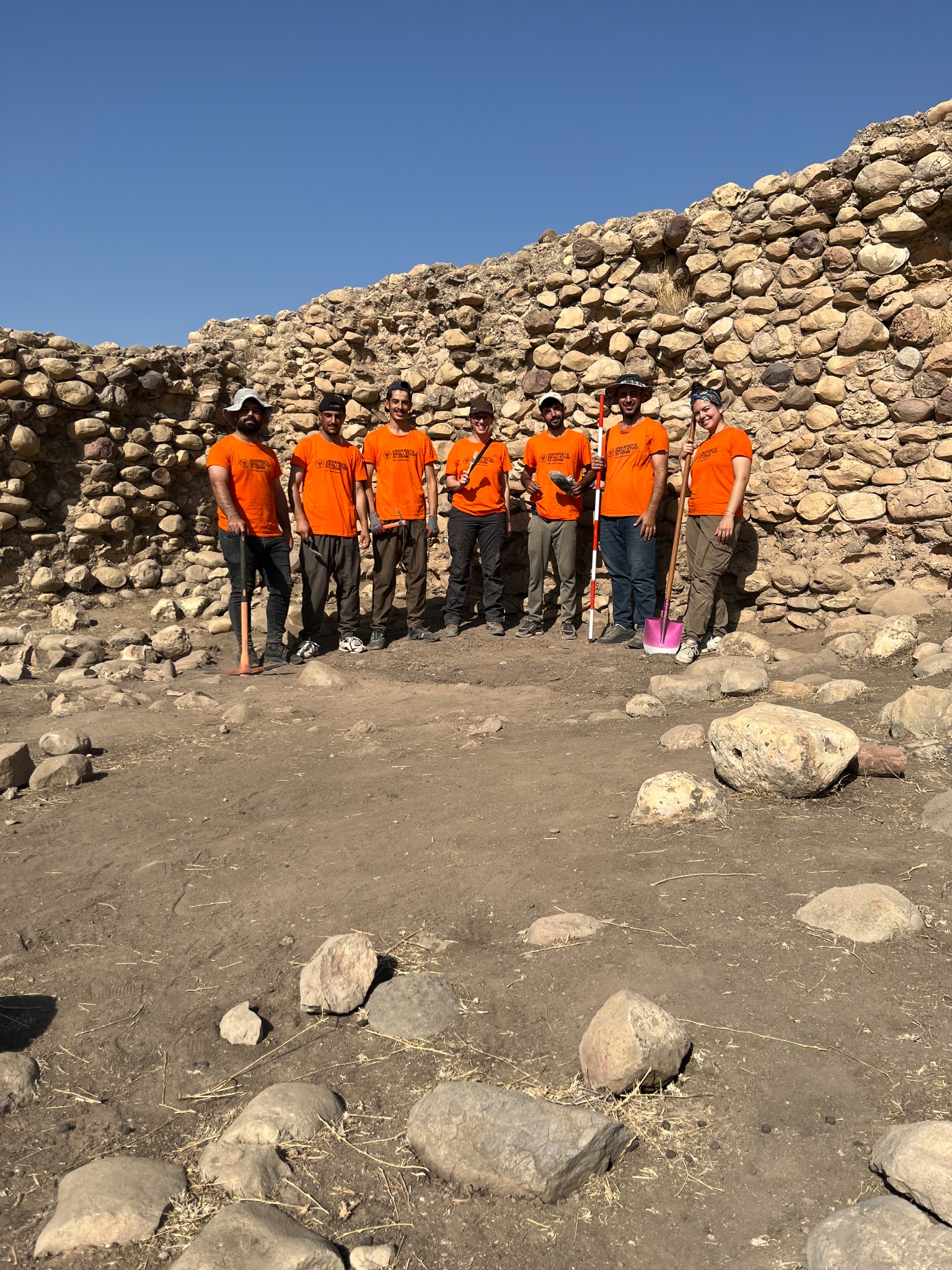
The principal excavation consisted of Sounding 1, opened immediately east of the khan in correspondence with a surface depression interpreted as the remains of a secondary structure. The excavation revealed a square stone-built enclosure constructed with double-faced masonry bonded with soil mortar. Stratigraphic investigation documented wall collapses, construction techniques and foundation deposits, while the recovery of Ottoman tobacco pipes provided a terminus post quem for the construction of the structure. Although its precise function remains uncertain, the excavation demonstrated that the enclosure formed part of a wider architectural complex associated with the caravanserai.
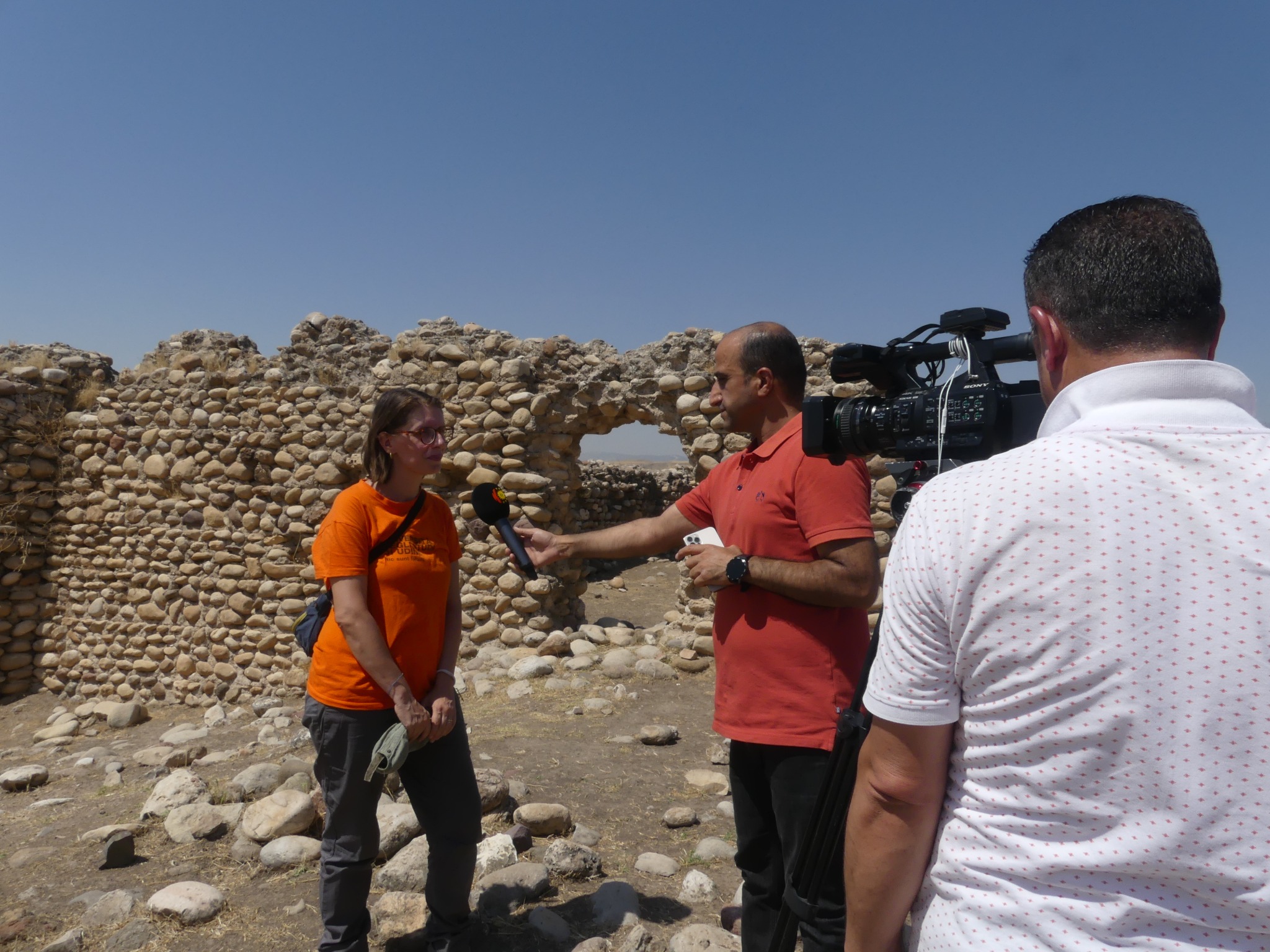
A detailed architectural study of the khan documented its construction techniques and highlighted the use of lime mortar, clearly distinguishing the main building from the surrounding structures. Topographical activities established the spatial reference system for future campaigns.
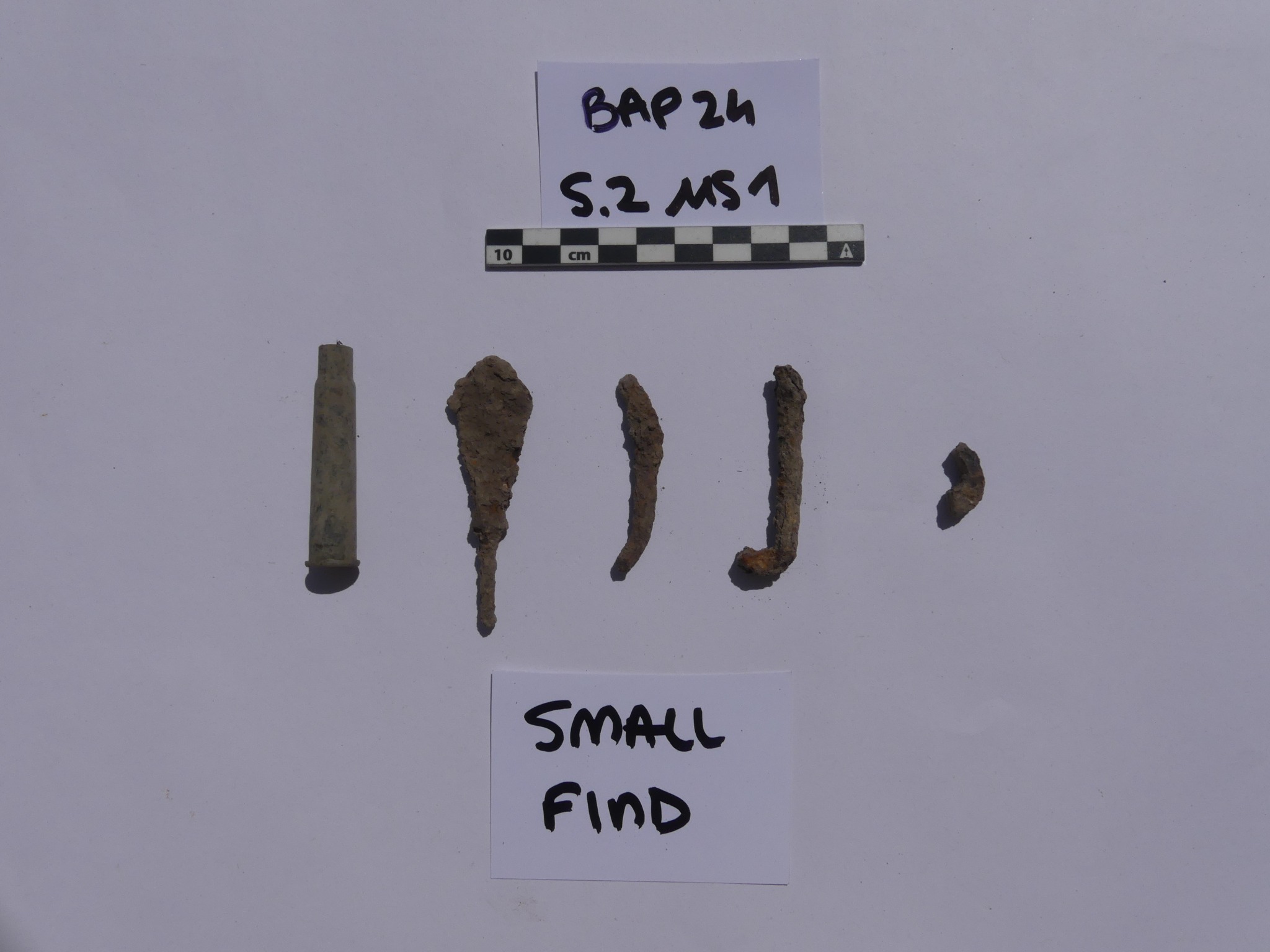
Preliminary analysis of ceramics and other artefacts confirmed that the principal occupation belongs to the Late Islamic and Ottoman periods, while the survey of the associated cemetery initiated the investigation of the site's funerary landscape. Overall, the first campaign successfully established the archaeological significance of Bazhera and provided the foundations for subsequent research aimed at reconstructing the development and function of one of the best-preserved Ottoman caravan stations in the Kurdistan Region of Iraq.